
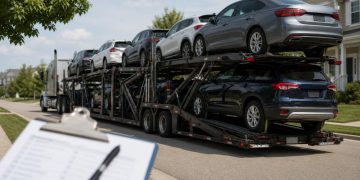
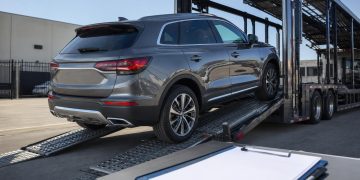

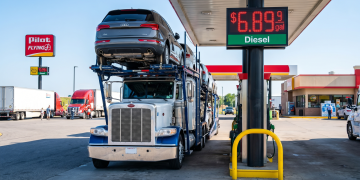
The Federal Motor Carrier Safety Administration (FMCSA) has finalized a broker transparency rule requiring auto transport brokers to disclose how much they pay the carrier who actually moves your vehicle. The rule is designed to answer a question a lot of customers have been asking for years: where does my money actually go?
Here’s what the rule requires, when it kicks in, and what it means for you.
Under the new FMCSA rule, auto transport brokers must now provide customers with documentation showing:
This disclosure has to happen within a specific timeframe — brokers are required to provide the carrier payment information within 30 days of completed delivery, and must make it available upon request before booking in some circumstances.
The rule applies to brokers operating under FMCSA authority — which is essentially any company that matches vehicles with carriers but doesn’t own the trucks themselves.
The auto transport brokerage space has a transparency problem. A customer sees a quote of $1,200. The broker books a carrier for $700 and pockets $500. The customer has no idea.
That $500 margin isn’t inherently wrong — brokers provide real value, and everyone needs to make money. The problem is when the margin is so high that the carrier is being underpaid to move your car, which leads to delays, lower priority on the truck, and in some cases, carriers walking away from loads.
There’s also the issue of bait-and-switch quoting: a broker quotes low, wins the booking, then can’t find a carrier at that price and comes back asking for more. With mandatory disclosure, customers will have a clearer picture of whether that $800 quote was ever real.
We’ve operated transparently on carrier payments since we started. Our pricing is built to pay carriers competitively — because carriers who get paid fairly show up on time, take better care of the vehicles they haul, and don’t walk away from loads.
Our carrier payout on a standard move typically runs 78-85% of the total customer price. The remaining 15-22% covers our operations: load board access, insurance, customer service, tracking coordination, and the work it takes to match your specific vehicle with a carrier who runs that exact route.
When the FMCSA rule kicks in, we’ll provide the disclosure paperwork. It will confirm what we’ve been telling customers verbally: we’re not taking half your money.
With or without the FMCSA rule fully in effect, you can ask these questions right now and a reputable broker should answer them:
“What percentage of my payment goes to the carrier?”
If the answer is vague or they change the subject, that tells you something.
“Is my carrier already assigned?”
Brokers who quote without a carrier locked are guessing at the price. The carrier assignment happens when the load is posted on the board. Some brokers quote before that and hope they can cover the rate later. That’s where you get the “the carrier needs more money” call the day before pickup.
“What’s your fuel surcharge, and is it included in this quote?”
At Transcar, the current fuel surcharge is 16% and it’s in your quote from day one.
“What happens if no carrier takes the load at this price?”
A good broker has a real answer — whether that’s adjusting the carrier rate, rebooking, or offering a refund. “We’ll figure it out” is not a real answer.
Disclosure rules help informed customers make better decisions. They don’t stop bad actors from operating in the space, and they don’t guarantee quality. A broker can disclose their margin and still book the cheapest possible carrier with a poor record.
The factors that actually matter: carrier vetting (do they have a good FMCSA safety rating?), insurance coverage on the vehicle while in transit, and communication throughout the move. Transparency rules don’t mandate quality — they just give you better information to evaluate brokers yourself.
We vet every carrier before booking. We don’t post loads to the board and accept whoever bids lowest. We have carrier relationships we’ve built over years, and we know which ones handle vehicles well on specific lanes.
The FMCSA transparency rule is good for customers and good for brokers who were already operating fairly. It will make it harder for low-ball, bait-and-switch brokers to hide the gap between what they quote and what they pay.
For anyone using Transcar: nothing changes in how we operate. You’ll get the disclosure paperwork when it’s required, and it’ll confirm what our pricing already shows.
—
Get a transparent quote for your vehicle shipment:
📞 (682) 252-4654
Or request a quote online: transcar.com/#quote
We’ll tell you your rate, our carrier payout structure, and who’s moving your car — before you book.
You’ve done some shopping. One broker quoted $800. Another quoted $1,150. One came in at $1,400. You’re wondering why the range is so wide, and whether the $800 company just found a better deal or is going to cause you headaches.
Here’s how auto transport pricing actually works, and why the lowest quote is almost never the real price.
When you request a quote from an auto transport broker, they’re looking at a few things: the distance, the route, the vehicle size, and what carriers are currently charging to run that lane.
Here’s the catch: most brokers don’t have a carrier assigned when they give you a quote. They’re quoting based on what they think they can book a carrier for — which may or may not match reality. The quote is a projection, not a confirmed price.
To actually move your car, the broker posts a load on a carrier load board (Central Dispatch is the main one in auto transport). Carriers browse loads and accept at the listed price or negotiate. If no carrier accepts at the posted price, the broker has two options: raise the price they offer carriers, or call you and say they need more money.
The $800 broker who couldn’t book a carrier at $800 is about to call you and ask for $1,050.
Distance is obvious, but it’s not linear. A 1,500-mile move doesn’t cost exactly 50% more than a 1,000-mile move. Long-distance moves often cost less per mile because carriers want to cover the distance without a deadhead (empty) return trip. Regional moves on unpopular routes can cost more per mile than cross-country moves on high-demand lanes.
Route popularity matters a lot. California to Florida is one of the highest-volume auto transport corridors in the country. Carriers run it constantly in both directions. Competition keeps prices reasonable. A move from rural Montana to rural West Virginia has far fewer carriers running that lane. The broker has to pay more to attract a carrier, and that cost passes to you.
Vehicle size. Open carriers typically haul 7-10 vehicles at a time. Your Honda Civic takes one slot. Your Ford F-350 dually takes a slot and a half, maybe more. Larger vehicles cost more because they displace other cargo and weigh more — both factor into what the carrier charges.
Timing. Summer is expensive. June through August is military PCS season — thousands of families moving at once, many of them shipping vehicles. Demand spikes, carrier availability tightens, and prices go up. Book early or expect to pay peak pricing. Late fall and winter are cheaper if your timeline allows it.
Fuel surcharges. Diesel is at $5.40 per gallon right now, up 57% from a year ago. Every legitimate quote includes a fuel surcharge. Our current fuel surcharge at Transcar is 16%. A broker who doesn’t mention a fuel surcharge is either baking it into the base rate (fine) or ignoring it and hoping to collect it later (not fine).
Open vs. enclosed. Open carrier — the multi-car trailer you see on the highway — is standard and costs less. Enclosed transport uses a covered trailer that protects against weather and road debris. It costs 50-75% more and is worth it for high-value or classic vehicles. For a daily driver going from Texas to North Carolina, open carrier is the right call.
Quote with no carrier assigned. Ask: “Do you have a carrier assigned for this move?” If the answer is no, you’re holding a number that hasn’t been tested against actual carrier market rates. Some brokers post loads to Central Dispatch after you book — meaning you’re paying for a service they haven’t arranged yet.
No mention of fuel surcharge. It’s either in the quote or it’s not. If it’s not, ask what it is. A broker who says “it’s included” should be able to tell you the rate.
Unusually vague pickup window. “Pickup in 1-3 days” sounds great. “Pickup within 14 days” is more honest for most moves. If a broker promises fast pickup on a route at a low price, one of those things isn’t real.
Pressure to book today. Legitimate pricing doesn’t expire in an hour. Urgency tactics to get you to sign before you compare quotes are a signal.
Price increase the day before pickup. This is the most common complaint in auto transport. You’re locked in, your car needs to go, and suddenly the carrier “needs $200 more.” It happens when brokers post low and can’t find a carrier at that price.
A real quote, from a broker who can actually move your car at the stated price, includes:
At Transcar, our quotes include all of the above. We don’t post your load and hope for the best. We have established carrier relationships on high-volume lanes, and we know what it actually costs to move a vehicle in the current market.
Our quotes are sometimes higher than a competitor’s first number. They hold.
Here’s the difference — our 7-Day Pickup Guarantee: If your vehicle isn’t picked up within 5 days of the scheduled window, we pay the carrier more than what we collected from you — out of our own pocket — to make sure your car moves. Maximum window: 7 days. No exceptions.
Read that again. If it costs us more to move your load than what we quoted you, we eat the difference. Not you. We don’t call you the day before pickup asking for more money. We don’t let your car sit on a load board for three weeks while we look for a cheaper carrier.
That’s why our quote might be $100-200 higher than the lowball broker. We’re pricing it to actually work, and we’re guaranteeing it with our own money.
If you’re looking at a $300-400 spread between brokers, don’t just pick the lowest. Ask each broker:
1. Is the fuel surcharge included?
2. Do you have a carrier assigned, or is this an estimate?
3. What happens if no carrier takes the load at this price?
4. What’s your policy if pickup is delayed?
The answers will tell you more than the numbers do.
—
Get a straight quote from Transcar:
📞 (682) 252-4654
Or get an instant online quote: transcar.com/#quote
Fuel surcharge included. No surprises.
You got a quote to ship your car. It’s higher than you expected, or higher than what you remember paying. You’re wondering if you’re getting a fair price or if something’s off.
Here’s what’s actually driving the number.
The national average for diesel fuel hit $5.40 per gallon this month. A year ago it was around $3.44. That’s a 57% increase in twelve months.
Auto transport runs on diesel. Every truck that moves your car — from pickup to delivery — fills up on diesel. When that cost goes up 57%, carriers can’t absorb it. They pass it through as a fuel surcharge. Every broker adds that surcharge to their quote, including us. The difference between brokers is whether they show it to you clearly or hide it in the base rate and hope you don’t notice.
At Transcar, our current fuel surcharge is 16% on top of the base carrier rate. That number is on your quote, labeled. You’re not going to see a $750 quote and get a $1,100 invoice when your car arrives.
Carriers set a base rate for a move — say, Dallas to San Diego for a standard sedan. That base rate reflects their costs without fuel: driver wages, truck depreciation, insurance, tolls. Then they add a fuel surcharge, which adjusts as the diesel price index moves.
Most carriers recalculate fuel surcharges weekly. If diesel drops, the surcharge drops. If diesel spikes, the surcharge goes up. Brokers who lock your rate at booking shield you from changes between booking and pickup. Brokers who quote “estimates” and settle at the carrier’s current rate the day of pickup can give you nasty surprises.
When you get a quote from us, that rate is locked. What you see is what you pay.
Diesel is the biggest variable right now, but it’s not the only factor:
Route. High-demand lanes like California-to-Florida or Texas-to-New York have more carriers competing, which keeps prices lower. Moves to rural areas or less-traveled routes cost more because carriers have to deadhead (drive empty) part of the way.
Vehicle size. A standard sedan takes one slot on an open carrier. A pickup truck or SUV takes more space and weighs more. Enclosed transport costs more because you’re paying for a smaller, specialty trailer.
Timing. Summer is expensive — that’s when everyone moves, especially military families doing PCS moves. Book early if you can. Spring and late fall are cheaper.
Distance. Longer moves aren’t always proportionally more expensive. A 1,500-mile move might cost only 30% more than a 1,000-mile move because the fuel per mile goes down on long hauls (the driver makes fewer stops, fewer starts).
Open vs. enclosed. Open carrier — the kind you see on the highway with 8-10 cars stacked on it — is the standard and the cheaper option. Enclosed is for high-value vehicles that need protection from road debris and weather.
We hear this a lot. A competitor quotes $800, we quote $1,050, and you want to know why we’re $250 higher. Fair question.
Some brokers quote low to win the booking, then renegotiate with the carrier after the fact. Or they don’t have a carrier locked and they’re guessing. Or they’re quoting a base rate without the fuel surcharge. Or they plan to call you the day before pickup and say the carrier needs $200 more.
Our quotes include everything. The 16% fuel surcharge is in there. We don’t book a move we can’t fulfill at the quoted price.
If a quote sounds too good, ask the broker: “Is this a locked rate? What’s your fuel surcharge? When is a carrier assigned?”
Those three questions will tell you a lot.
The EIA’s current outlook has diesel staying above $5.00 through most of 2026. Prices could ease if global crude supply increases or demand softens in the US, but neither of those is looking likely in the near term.
For practical purposes: don’t plan your shipping timeline around an expected price drop. Book when you’re ready to move, not when you think prices might be better. The risk of waiting is usually higher than any potential savings.
—
Get a real quote — fuel surcharge included, no surprises:
📞 (682) 252-4654
Or get an instant quote online: transcar.com/#quote
We’ll tell you exactly what you’re paying and why.
On the evening of April 7, 2026, the US and Iran agreed to a two-week ceasefire. As part of the deal, Iran will allow ships safe passage through the Strait of Hormuz, the waterway it effectively shut down on February 28 after US and Israeli strikes.
Oil markets reacted overnight. Brent crude dropped 16% to around $91 per barrel. That’s the biggest single-day oil price drop since 2020.
If you’re planning to ship a vehicle, the question is straightforward: when do transport costs actually come down?
Car carriers run on diesel. When diesel prices go up, carriers charge more per mile. That cost gets passed to you through fuel surcharges — a line item on every auto transport quote.
Since the Hormuz crisis started in late February, diesel has climbed from roughly $3.60 per gallon to over $5.00 in many markets. That drove fuel surcharges up across the industry. Transcar’s current fuel surcharge sits at 8%, applied to every quote automatically.
When diesel drops, fuel surcharges drop. It’s that direct.
Here’s where things stand as of April 8:
Brent crude oil fell from $109 to roughly $91 per barrel overnight. That’s a big move, but context matters. Before the Iran conflict started, oil was around $75 per barrel. Even after yesterday’s drop, we’re still about 20% above pre-war levels.
Diesel at the pump lags behind crude oil by one to three weeks. Crude has to be refined, shipped to distribution terminals, and repriced at the wholesale level before retail catches up.
GasBuddy’s head of petroleum analysis expects gas prices could fall below $4 per gallon within one to two weeks if crude stays where it is. Diesel follows a similar pattern.
Here’s a realistic timeline based on what we’re seeing:
Next 1-2 weeks: Wholesale fuel prices start declining. The most price-sensitive carriers begin adjusting what they’ll accept per mile. You may not see it in quotes yet, but the floor is moving.
2-4 weeks (late April): If the ceasefire holds and oil stays below $95, diesel should be noticeably cheaper at the pump. Transcar will review the current 8% fuel surcharge. If diesel drops 15-20%, the surcharge comes down with it. That could mean $50 to $150 less on a cross-country shipment depending on the route.
1-2 months (May-June): If the ceasefire leads to a permanent deal and oil drifts back toward $80-85, transport costs will approach pre-war levels. But two things work against you here: summer is peak season for auto transport (military PCS moves, snowbird returns, online vehicle purchases), and carrier capacity tightens May through August regardless of fuel prices.
Even if fuel drops, summer demand pushes rates up. Every year, May through August is the most expensive time to ship a vehicle. Military families relocating on PCS orders, college students moving, people who bought cars online during winter — they all ship in the same window.
Carriers know this. They’re less willing to negotiate on rates when every truck is booked.
So while the ceasefire is good news for fuel costs, it doesn’t cancel out the seasonal rate increase that’s about to hit. The two forces will partially offset each other.
If you’re shipping in the next 2 weeks: Rates reflect current fuel costs. You’ll pay today’s surcharge. The ceasefire hasn’t had time to work through to diesel prices yet.
If you can wait until late April or early May: Fuel surcharges should be lower. But you’ll be entering peak season, so base rates may be higher. It’s a tradeoff.
If you’re shipping for a military PCS move this summer: Don’t wait. Capacity matters more than fuel surcharges during peak season. A $75 fuel savings doesn’t help if you can’t get a carrier for three weeks because every truck is booked. Lock in your dates now.
If you’re flexible on timing: Late September through November is historically the cheapest window for auto transport. If your shipment isn’t time-sensitive, that’s when rates and fuel costs are both at their lowest.
Transcar updates fuel surcharges based on the DOE’s weekly diesel price reports. When diesel drops, the surcharge drops. It’s not a judgment call — it’s tied to published data.
Our rate calculator at transcar.com reflects current pricing in real time. Get a quote today and you’ll see exactly what you’d pay. If you want to compare, get another quote in two to three weeks after diesel has had time to adjust.
No games, no callbacks, no bait-and-switch. The price you see is the price you pay.
The ceasefire is real. Oil dropped 16%. Fuel prices will follow within weeks. But this is a two-week pause, not a peace deal. If it falls apart, prices go right back up.
If you need to ship a vehicle, the smart move is to get a quote now so you know your baseline, then decide whether to book immediately or wait for the fuel adjustment. Either way, you’ll have the information to make a good call.
Enter your route at transcar.com and see your real price in under a minute. Fuel surcharges included. No callbacks, no surprises.
Prefer to talk? Call (682) 252-4654 — we’ll walk you through your options.
A few years ago, getting a car shipping quote meant calling a broker, waiting on hold, then waiting again for a callback with a price that might or might not reflect what you’d actually pay. That process is outdated.
Customers now expect to get a real price in under a minute, book online without talking to anyone, and track their vehicle on its way. That shift has been building for years, but 2025 and 2026 accelerated it. Here’s what’s changed and what it means if you’re shipping a car.
Platforms like Carvana, AutoTrader, and CarMax’s online marketplace changed how people buy cars. You can now buy a vehicle in California from your couch in Florida and have it delivered to your door. That’s good for buyers, but it created a new problem: the transport step.
Every online vehicle sale that crosses state lines needs a carrier. The volume of these shipments has grown significantly. Customers buying remotely have already completed a digital transaction — they’re not going to tolerate a paper-based shipping process on top of it.
That demand drove carriers and brokers to build better digital tools. The market responded to what customers actually wanted.
Spot rates for domestic auto transport are up roughly 25% year-over-year as of early 2026. Several factors are at play:
Fuel costs. Diesel prices have climbed significantly, partly due to global oil disruptions (Strait of Hormuz closure, Middle East instability). As of March 10, 2026, Transcar’s fuel surcharge sits at 8%. That’s calculated automatically in every quote.
Driver availability. The carrier shortage that started during COVID hasn’t fully resolved. Fewer drivers competing for freight means carriers can hold firmer on rates.
Seasonal demand spikes. Summer is historically the busiest period for auto transport, driven largely by military PCS moves. Capacity tightens further May through August.
If you’re planning a summer shipment, booking early gets you a better rate and locks in capacity before the seasonal squeeze hits.
The gap between a good digital experience and a bad one comes down to a few specifics:
Instant quotes with real pricing. Not “submit your information and we’ll call you back.” A real rate based on your actual origin, destination, and vehicle type — shown immediately.
No hidden fees. The fuel surcharge, carrier network fees, and any applicable add-ons should be in the quote, not disclosed later.
Online booking. If you decide to move forward, you should be able to book without a phone call.
Tracking after pickup. Once your vehicle is on a carrier, you should know where it is.
Transcar’s rate calculator at transcar.com does all of this. Enter your pickup and delivery locations, vehicle type, and preferred dates — you get a price immediately. The current 8% fuel surcharge is factored in automatically. No callbacks, no negotiation, no surprises at delivery.
Military PCS moves are time-pressured and often planned on short notice. Orders change. Reporting dates get moved. The last thing a service member needs when coordinating a major relocation is a transport broker who takes three days to return a call.
The other issue is pricing. Military families often report being quoted high rates when brokers identify them as motivated buyers — they have to ship by a certain date and don’t have flexibility to wait for a better price. Transparent online pricing removes that dynamic entirely. The rate is the rate. No haggling, no pressure, no wondering if you could have paid less.
Transcar handles a significant volume of military PCS transport because we understand what that customer needs: a straight price, a confirmed pickup, and someone to call if something goes wrong. Our team at (682) 252-4654 is available for exactly that.
Not all instant quotes are equal. Some brokers generate artificially low quotes to win the booking, then struggle to find a carrier at that price. The vehicle sits waiting for pickup. The customer finds out days later that the rate is going up.
Signs of a reliable quote:
Transcar is bonded, insured, and licensed as a transportation broker. We work with carriers on Super Dispatch and Central Dispatch — two of the primary load boards used by professional carriers across the US.
If your move is in the next 60 to 90 days, you’re entering the pre-summer pricing window. Rates in May, June, and July will be higher than they are now. Capacity on popular military corridor routes (East Coast to West Coast, CONUS to Hawaii/Alaska/Guam) fills up fast once PCS season starts.
Get your quote now, even if you’re not ready to book. It costs nothing, and you’ll know what you’re looking at before rates move.
Enter your route at transcar.com and get a real price in under a minute. Fuel surcharges included. No callbacks.
Prefer to talk? Call (682) 252-4654 — our team handles quotes, booking, and dispatch.
The Federal Motor Carrier Safety Administration is moving to invalidate commercial driver’s licenses held by non-domiciled drivers — people who obtained a US CDL without establishing actual US residency. The national rule is imminent.
This isn’t a surprise to anyone who tracks FMCSA enforcement. Non-domiciled CDL fraud has been a documented problem for years. Drivers would establish minimal paper residency in a US state, obtain a CDL under that state’s licensing process, then operate commercially without maintaining a genuine US domicile. The fraud matters because it bypasses the medical, drug testing, and safety recordkeeping requirements that apply to US-based CDL holders. FMCSA has been building the regulatory framework to pull these licenses, and that work is now close to completion.
The agency is also acting under pressure from Congress and the commercial trucking industry, both of which have flagged safety risks when large numbers of drivers operate outside the normal accountability structure.
The rule targets drivers who cannot demonstrate genuine US domicile. Estimates put the affected population at 13,000 drivers nationwide.
Thirteen thousand sounds like a lot. It is. To put it in context:
There are approximately 3.5 million CDL holders in the United States. Thirteen thousand represents roughly 0.37% of that total — a small fraction on paper. But CDL-holder counts don’t translate directly to active carrier capacity. The active truck-driving workforce is smaller than the total CDL population, and within specific sectors like open-carrier auto transport, the labor pool is already tight.
Auto transport runs on specialized equipment. An open car carrier hauling 7–10 vehicles requires a CDL-A, specific equipment endorsements, and experience loading and securing cars correctly. You can’t pull a driver from a different sector and immediately put them on a car hauler. The training and equipment knowledge matters.
Non-domiciled drivers are not evenly distributed across the trucking industry. They tend to cluster in sectors with high route density, thin margins, and high driver turnover — which describes auto transport accurately. If even a fraction of those 13,000 are active auto transport operators, the effect on available capacity is disproportionate to the raw number.
Car carriers are already running near capacity in the first quarter. By May, the market tightens further as summer moving season ramps up. Add a regulatory action that removes a meaningful number of active drivers and the result is predictable: fewer haulers available, longer wait times, rate pressure upward.
The specific effects shippers will feel:

Longer pickup windows. The standard window for domestic auto transport is 1–7 business days from first available date. In a tight market, that window extends. Some routes — particularly in secondary markets away from major interstate corridors — already see 10–14 day pickup windows in summer. With capacity reduced further, expect those windows to stretch.
Rate increases on competitive lanes. When multiple shippers are chasing the same carriers on high-demand routes like California to Texas, Florida to the Northeast, or major metro-to-metro corridors, rates go up. Load boards get competitive. Carriers can afford to be selective.
Fewer options on rural or secondary routes. A vehicle pickup in a major metro like Dallas or Atlanta will always find a carrier faster than one in a small town in Montana or rural Appalachia. Capacity reductions hit thin-coverage areas first and hardest.
Tighter timelines for deadline-driven moves. Customers with hard delivery dates — relocation for a new job, dealer inventory commitments, snowbird seasonal moves — face the most pressure. In a capacity-constrained market, hard deadlines get expensive if you wait too long to book.
A few things are within your control. Use them.

Book early. This one is simple and most people ignore it until it costs them money. If you know you’re moving in May, June, or July — book now. Carriers are available, rates are current, and you’re not competing with the summer surge. Every week you wait narrows your options and increases your rate.
Be flexible on pickup dates. Giving a carrier a 7-day window to pick up your vehicle is meaningfully different from insisting on a specific day. Flexibility makes you easier to match, which gets your vehicle picked up faster at a better rate. If your first available date is genuinely hard and fixed, say so upfront — but if you have flexibility, give it.
Understand how pricing works. Auto transport pricing responds to supply and demand on specific routes at specific times. A quote you get today is not the same as a quote you’ll get in June when the market is tighter. Locking in now, when carriers have capacity, costs less and guarantees space.
Ask questions about carrier selection. Not all carriers are equal. When you book with a broker, ask how they screen carriers — licensing verification, insurance confirmation, equipment standards. With 13,000 drivers potentially leaving the road under regulatory action, you want to know the carriers moving your vehicle are properly licensed and current.
Transcar operates on Super Dispatch and Central Dispatch, the two primary load boards for domestic auto transport. That gives us visibility into available carrier capacity on any given route in real time. When the market tightens, we see it immediately — and we can adjust how we approach carrier outreach and scheduling accordingly.
We’re not a one-and-done booking platform. When we take your shipment, someone is actively working to match your vehicle to the right carrier on the right timeline. In a normal market, that’s straightforward. In a tight market — which this summer is shaping up to be — it requires more active management and faster decisioning.
Our approach for peak season:
We prioritize customers who give us the most flexibility. That’s not us being difficult — it’s logistics reality. A carrier who has 3 spots on a route going to a specific corridor is going to fill those spots with shipments that fit their load. If your pickup date is rigid and your delivery location is off the beaten path, you’re harder to fill. We work through those constraints, but giving us more flexibility gets your vehicle moving faster.
We also keep carriers accountable. Every carrier we dispatch through Super Dispatch is verified before we assign them. License current, insurance active, equipment appropriate for the vehicle. The CDL crackdown is removing problematic operators — that’s actually good for the industry long-term. In the meantime, carrier quality checks matter more than ever.
Summer moving season doesn’t care about regulatory disruptions. People relocate. Dealers need inventory moved. The market will get tighter regardless.
Get your quote now. Call us at (682) 252-4654 or visit transcar.com to start the process. We’ll give you a straight answer on current rates and availability for your specific route — no bait-and-switch, no hidden fees.
Booking early is the only move that costs nothing. Waiting costs you rate premium, extended timelines, and stress you don’t need on top of a move.
We don’t like surprise charges any more than you do. So before this shows up on a quote, we want to explain what’s happening, why, and what we’re doing about it.
Starting March 10, 2026, Transcar will apply a temporary 8% fuel surcharge to transport rates. It will show as a separate line item on every quote so you can see it clearly.
Here’s the full picture.
Military conflict in the Middle East beginning February 28, 2026, has disrupted shipping traffic through the Strait of Hormuz — one of the main passages for global oil and refined fuel. When that corridor gets squeezed, diesel supply tightens and prices climb fast.
The numbers tell the story:

Diesel is moving faster than gasoline right now because more diesel supply flows through the affected route. The carriers who move your vehicle across the country run on diesel — their costs went up, and that flows through to transport pricing.
This isn’t unique to Transcar. Every carrier and broker in the country is dealing with the same situation.
We’re not bundling this into the base rate and hoping no one notices. It goes on the quote as its own line so you know exactly what you’re paying and why.
We work with a lot of military families, and we know this lands at an already stressful time. Orders come through, timelines compress, and now fuel prices are part of the equation too.
Here’s what we’re committing to: we check diesel prices every week using the Department of Energy’s weekly reports. When prices come back down, the surcharge goes down — or goes away entirely. We’re not going to let it sit on quotes longer than the situation calls for.
If your move is coming up soon and you want to talk through your quote, call or email us directly. We’ll make sure everything is clear before you commit to anything.
Every week the DOE releases national diesel price data. That’s our benchmark. When the market settles, the surcharge adjusts accordingly. We’ll post updates here if anything changes significantly.
We can’t promise a specific date when this surcharge goes away — fuel markets don’t move on a schedule. What we can promise is that we’re not keeping it a day longer than we need to.
Reach out to your coordinator or contact us at:
We appreciate your trust. We’ll keep earning it by being straight with you — even when it’s not great news.
Alaska is one of the trickiest vehicle shipping destinations in the US. Your car can’t just ride a carrier truck up there — at some point it has to go on a ship, a train, or both. Here’s what the process actually looks like and what it costs.
There are two ways to get a vehicle to Alaska:
Option 1: Ocean freight (most common)
Your vehicle ships by sea from a West Coast port (usually Tacoma, WA) to an Alaska port (Anchorage, Fairbanks via rail from Whittier, or Juneau). This is how most vehicles get to Alaska.
Option 2: Drive-away through Canada
Some people drive the Alaska Highway (ALCAN) through British Columbia and Yukon Territory. It’s 2,200+ miles from Seattle to Anchorage. If you’re paying someone to drive it, the cost is similar to shipping — and your car gets 2,200 miles of wear on it.
For most people, ocean freight is the better option. Less risk, less wear, and your vehicle arrives the same way it left.
Ocean freight pricing (standard sedan, 2026):
| Route | Estimated Cost | Transit Time |
|---|---|---|
| Tacoma → Anchorage | $1,200 – $1,600 | 5-7 days |
| Tacoma → Fairbanks (via Whittier + rail) | $1,400 – $1,800 | 7-10 days |
| Tacoma → Juneau | $1,300 – $1,700 | 3-5 days |
| East Coast → Alaska (ground + ocean) | $2,000 – $2,800 | 12-18 days total |
| Midwest → Alaska (ground + ocean) | $1,800 – $2,400 | 10-15 days total |
What affects the price:

Contact us with your vehicle details, pickup location, and Alaska destination. We’ll quote both legs: ground transport to Tacoma (if needed) and ocean freight to Alaska.
If you’re not in the Pacific Northwest, we arrange a carrier to pick up your vehicle and bring it to the Tacoma port. This is standard open or enclosed auto transport — same as any domestic move.
Your vehicle arrives at the Tacoma terminal, is checked in, and staged for loading onto the vessel. The main carriers for Alaska auto shipping are Matson and TOTE Maritime.
Your vehicle is loaded onto a vessel and shipped to your destination port. Transit times:
At the destination port, your vehicle is unloaded and available for pickup. For Fairbanks-bound vehicles arriving in Whittier, there’s an additional Alaska Railroad transport leg to Fairbanks (1-2 additional days).
If you can’t pick up at the port, we can arrange local transport from the port to your door in Alaska. This adds cost but saves you a trip to the terminal.
A significant portion of our Alaska shipments are military PCS moves. Major installations include:
Your first POV: Covered under your PCS contract. Go through your TMO/transportation office.
Your second vehicle, motorcycle, or boat: That’s a private shipment. Same ocean freight process, but you’re paying out of pocket.
PCS timing tip: Alaska PCS moves peak June through August. Vessel space fills up fast. Book your second vehicle as soon as you get orders — don’t wait until the last month. During peak season, you might wait 2-3 weeks for the next available sailing if you book late.

Alaska shipping is weather-dependent, especially in winter. The Gulf of Alaska is one of the roughest stretches of ocean in the North Pacific. Storms can delay vessel arrivals by 1-3 days. Build buffer time into your plans.
Unlike the lower 48, where carriers run daily, Alaska ocean freight operates on weekly (or less frequent) schedules. Miss a sailing and you’re waiting for the next one. This is why booking early matters more for Alaska than for any other destination.
If you’re headed somewhere beyond Anchorage, Fairbanks, or Juneau — say Kodiak, Bethel, or Nome — getting your vehicle there adds complexity. Some locations are accessible only by air or seasonal barge. We’ll work with you on the logistics, but expect longer timelines and higher costs for truly remote Alaska destinations.
If your vehicle is shipping to Alaska in fall/winter, make sure it’s winter-ready before it goes:
Same as any vehicle shipment, with Alaska-specific additions:
Leaving Alaska? The process reverses:
Military outbound PCS: Same rules — first POV through TMO, extra vehicles through us.
5-18 days total depending on your starting point. If you’re in the Pacific Northwest, 5-10 days. From the East Coast, 12-18 days (includes ground transport to Tacoma).
Yes. Trucks and SUVs are the most common vehicles we ship to Alaska (it’s Alaska — makes sense). RVs and motorhomes can go too, though they’re priced by size and may require flat-rack ocean freight for oversize units.
Standard ocean vessel vehicle decks handle most passenger vehicles. Oversized vehicles (lifted trucks, heavy-duty equipment) may need special arrangements. Let us know the specifics upfront.
Ocean carriers generally don’t allow personal items inside vehicles. This is stricter than domestic ground transport. Remove everything before drop-off.
Motorcycles ship to Alaska via crate or pallet on the same ocean vessels. Cost is typically $600 – $1,000 from Tacoma. Add ground transport to Tacoma if you’re not local.
Not necessarily. Someone needs to drop the vehicle at the departure terminal and pick it up at the arrival terminal (or arrange last-mile delivery). This can be you, a friend, or a representative with proper authorization.
→ Get a Free Quote — enter your pickup location and Alaska destination for instant pricing.
Or call (682) 252-4654 — we ship to Alaska year-round and know the seasonal quirks.
A Trans Global Group Company
Every auto transport company gives you two options: open or enclosed. Most people pick open. Some people should pick enclosed. Here’s how to know which one is right for your vehicle — without the upsell.
Open transport: Your car rides on an open multi-car carrier — the same trucks you see on the highway hauling 8-10 vehicles stacked on two levels. No walls, no roof. Your car is exposed to weather and road conditions during transit.
Enclosed transport: Your car rides inside a fully covered trailer with hard walls and a roof. Usually carries 2-6 vehicles. Complete protection from weather, road debris, and prying eyes.
That’s it. Same pickup process, same delivery process, same insurance. The difference is the truck.

Open is the standard. About 90% of vehicles in the US ship this way.
Typical pricing (2026):
Open carriers are cheaper because they move more vehicles per trip. More cars on one truck = lower cost per vehicle. Simple economics.

Enclosed runs $300 – $600 more than open for the same route. Sometimes more during peak season.
Typical pricing (2026):
The premium reflects the smaller load size (fewer vehicles per trip), specialized equipment, and the fact that enclosed carriers are in shorter supply.
Open is the right choice for:
The honest truth about open transport: The damage rate is under 1%. Most vehicles arrive without a scratch. Yes, your car is exposed to the elements — but so is every car on the road. The carrier is moving at highway speeds, not driving through a sandstorm.
The most common “damage” on open carriers is light dust or dirt from the road. That washes off.
Enclosed makes sense for:
The real question isn’t “should I protect my car?” — it’s “what’s the cost of a blemish?”
If a small rock chip on your Honda Accord costs $50 to fix and doesn’t keep you up at night, open transport is fine. If a rock chip on your matching-numbers 1969 Camaro RS/SS affects its value by thousands and makes you physically ill, enclosed is cheap insurance.
Let’s be specific about what enclosed prevents:
What enclosed does NOT protect against: loading/unloading damage (same risk on both types), mechanical failure during transit (same), or acts of God (same). The carrier’s insurance covers all of these regardless of transport type.
Both open and enclosed carriers carry cargo insurance. Standard coverage is typically $250,000 – $1,000,000 per load (not per vehicle). Your car is insured either way.
The difference: if something does happen on an open carrier, the types of damage tend to be cosmetic (chips, scratches from debris). On an enclosed carrier, damage is almost exclusively from loading/unloading — and that’s the same risk regardless.
If your vehicle is worth more than standard carrier coverage, you can purchase supplemental transport insurance. We can help arrange this for high-value shipments.
Some carriers offer “soft-sided” enclosed transport — basically an open carrier with a tarp or canvas covering. It’s cheaper than hard-sided enclosed but doesn’t offer the same protection against debris. It blocks weather and sun but not road impacts.
We generally recommend either full open or full hard-sided enclosed. The in-between option isn’t worth the premium over open for most people.
If you’re shipping dealer inventory or fleet vehicles:
Ask yourself these three questions:
If you answered no to all three, open transport is the move. Save the money.
“Open transport is dangerous.”
It’s not. Millions of vehicles ship on open carriers every year. Dealerships ship their entire inventory this way. The risk of transit damage is under 1%.
“Enclosed transport guarantees no damage.”
It doesn’t. It significantly reduces the risk of environmental and debris damage, but loading/unloading incidents can happen on any carrier type. What it does guarantee: your car won’t get rained on, dusty, or hit by a stray rock.
“I should get enclosed because my car is new.”
New doesn’t automatically mean enclosed. A new Camry? Open is fine. A new GT3 RS? Enclosed. It’s about value and replaceability, not newness.
“Enclosed carriers are safer drivers.”
The carriers that run enclosed are often owner-operators who specialize in high-value vehicles. They tend to be experienced and careful. But that’s about the operator, not the truck type. Plenty of open carrier drivers are just as skilled.
Not sure which to pick? We’ll quote you both options so you can compare. The price difference might make the decision for you — or it might be less than you expected.
→ Get Your Quote — select open or enclosed, see the price instantly.
Questions? Call (682) 252-4654 — Lori will give you a straight recommendation based on your vehicle, not our margin.
A Trans Global Group Company
Shipping a car to or from Hawaii isn’t like booking a cross-country carrier. Your vehicle goes on a ship. The logistics are different, the timeline is different, and the pricing is different.
Whether you’re PCSing to Schofield Barracks, relocating for work, or just tired of renting a Wrangler every time you visit your condo in Kailua — here’s how it actually works.

Your vehicle travels by ocean freight from a mainland port to Honolulu (or Maui, Big Island, Kauai — with an inter-island transfer). There’s no driving option. Every vehicle that gets to Hawaii gets there by ship.
The basic process:
The two main ocean carriers for Hawaii auto shipping are Matson and Pasha. Both operate regular sailings from the West Coast.
Mainland to Hawaii (one vehicle, standard sedan):
| Origin | Estimated Cost | Transit Time |
|---|---|---|
| Los Angeles / Long Beach | $1,100 – $1,500 | 5-7 days |
| San Francisco / Oakland | $1,100 – $1,500 | 7-9 days |
| Seattle / Tacoma | $1,200 – $1,600 | 9-12 days |
| East Coast (includes ground to West Coast port) | $1,800 – $2,500 | 10-14 days total |
Hawaii to Mainland:
Roughly the same pricing. Return trips are actually slightly cheaper in some months because more vehicles ship TO Hawaii than FROM it.
What affects the price:
If you’re on the West Coast, you’ll use one of these ports:
If you’re on the East Coast or in the middle of the country, we’ll arrange ground transport to the nearest West Coast port first, then ocean freight to Hawaii. The total cost includes both legs.
Hawaii requires a state safety inspection within 30 days of registration. This happens AFTER your vehicle arrives — you don’t need to do it before shipping. But be aware: some modifications that are legal on the mainland (excessive window tint, certain exhaust modifications) may not pass Hawaii inspection.

If you’re PCSing to Hawaii:
Your first POV: Covered under government contract. Go through your TMO/transportation office. They handle the booking and ocean freight.
Your second or third vehicle: That’s where we come in. Same process as above, but you’re paying out of pocket. The government covers one — the rest are private shipments.
Common Hawaii military installations:
Most military families PCSing to Hawaii have at least two vehicles. The covered POV goes through TMO. The second vehicle goes through us. We coordinate timing so both vehicles arrive around the same time.
Pro tip: Start your second vehicle shipment early. Ocean freight to Hawaii has limited sailing schedules — if you wait until the last minute during PCS season, you might wait 2-3 weeks for the next available sailing.
Leaving Hawaii? The process reverses:
Timeline: Plan for 2-3 weeks total (ocean + ground transport to your new location).
Important for military: If you’re PCSing out of Hawaii, your covered POV goes through TMO again. Extra vehicles need private booking — same as when you arrived.
If you need your vehicle on Maui, Big Island (Kona/Hilo), or Kauai:
Most ocean carriers deliver to Honolulu first. From there, your vehicle transfers to an inter-island barge (Young Brothers operates inter-island vehicle shipping). This adds:
If you can pick up in Honolulu and drive/ferry to your island, you’ll save the inter-island fee. But for most people, the convenience of door-to-door is worth it.
Once your vehicle is booked on a vessel:
5-14 days for the ocean transit, depending on your departure port. Add 3-7 days for ground transport if you’re not near a West Coast port. Total: 1-3 weeks from pickup to delivery.
Yes. Trucks, SUVs, vans, motorcycles, boats — anything that rolls. Larger vehicles cost more due to the space they occupy on the vessel.
Yes. Marine cargo insurance covers your vehicle during ocean transit. We recommend documenting vehicle condition with photos before shipping. If something happens (rare on vehicle carriers), you have clear evidence for a claim.
No. Ocean carriers are strict about this — no personal items inside the vehicle. Unlike domestic ground carriers that may allow trunk items, ocean carriers will reject your vehicle at the port if items are visible inside.
Same process but lower cost ($600 – $1,000 depending on the route). Motorcycles ship via crate or pallet on the ocean vessel.
→ Get a Hawaii Shipping Quote — instant pricing, no callbacks.
Questions? Call (682) 252-4654 — we ship to Hawaii every week and know the process inside out.
A Trans Global Group Company
Or call (682)-252-4654