
Last updated on August 8, 2026
Last updated: August 8, 2026
Buying a car online is easy until the vehicle is sitting three states away and the clock starts running. Carvana, dealer marketplaces, Copart, IAA, Facebook Marketplace, Bring a Trailer, Cars & Bids, and private sellers can all create the same basic problem: someone has to release the vehicle, someone has to pick it up, and the carrier needs the right information before dispatch.
The expensive part usually is not the miles. It is the scramble.
If you buy first and figure out transport later, you can run into storage fees, missed pickup windows, failed carrier attempts, seller delays, or a quote that changes because the vehicle is not actually ready. A little planning before you bid or click “buy” keeps the move cleaner.
Quick answer
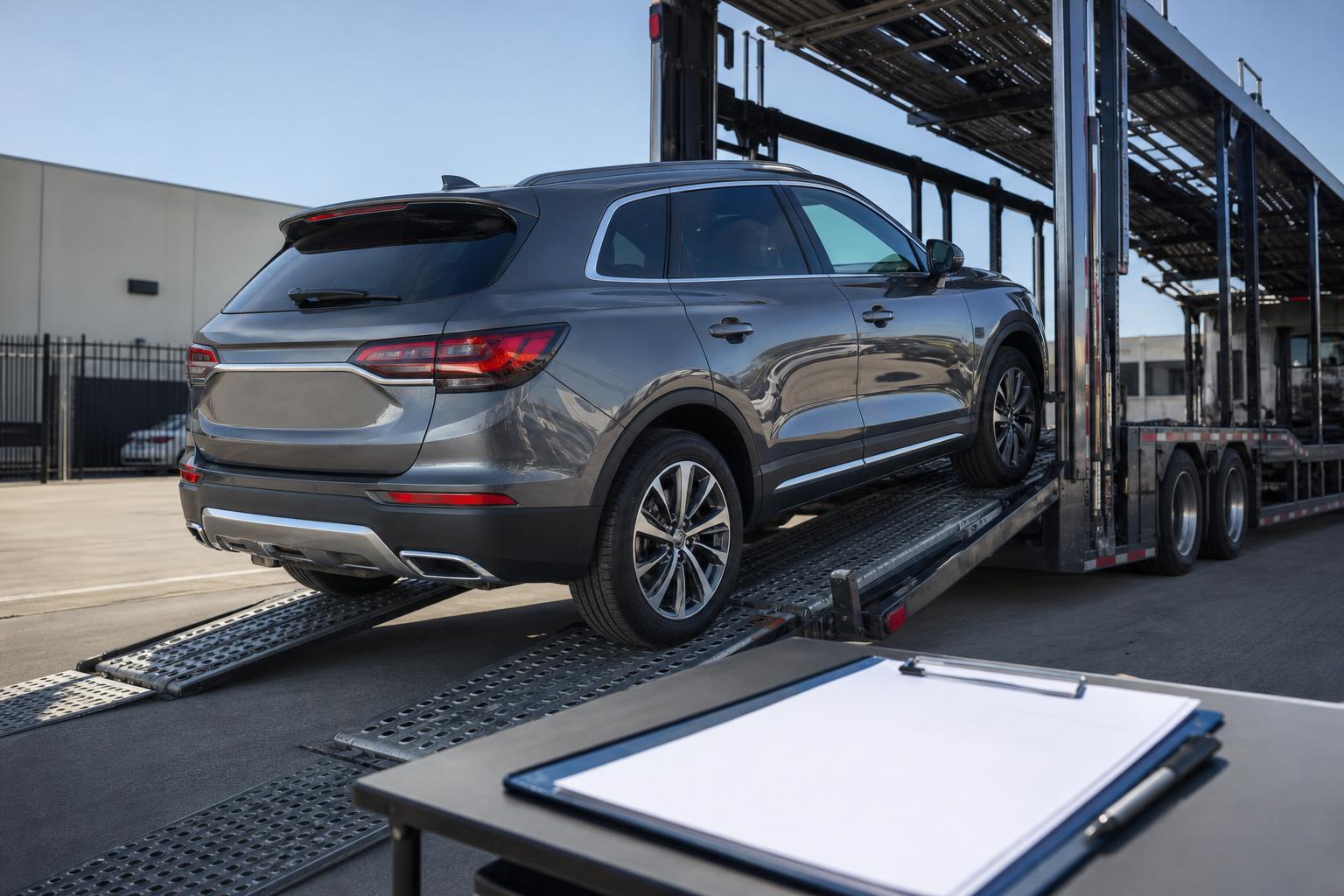
If you are buying a vehicle online and need it shipped, line up transport before the release deadline, confirm who can legally release the vehicle, get the exact pickup address and hours, and tell the transporter whether the vehicle runs, rolls, steers, and brakes.
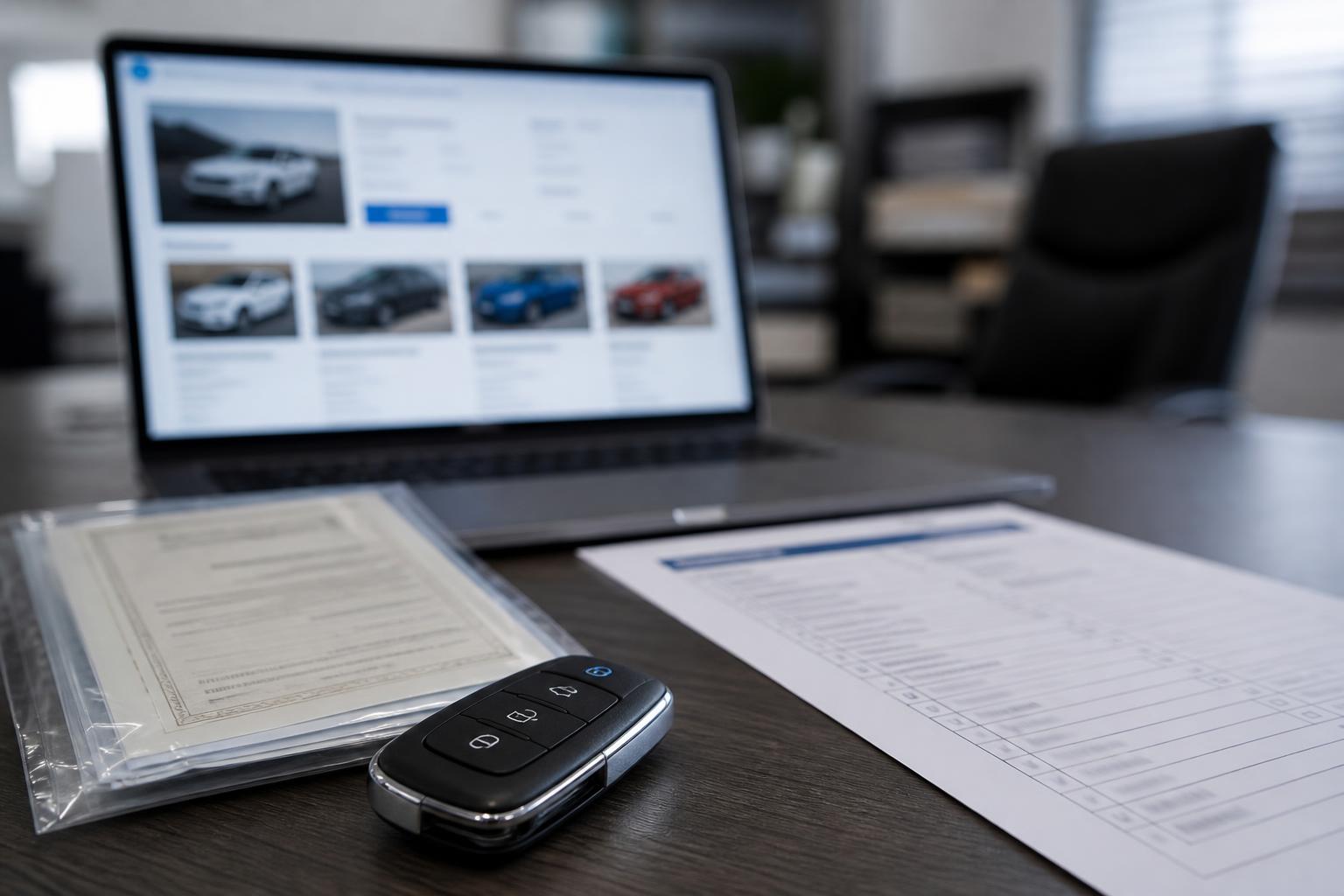
For auction vehicles, also confirm the buyer number, lot number, gate pass or release document, storage deadline, and loading rules. For Carvana or dealer purchases, confirm whether third-party carrier pickup is allowed for that order and who must be present at release.
Why online vehicle purchases get expensive
Online purchases create hidden transport costs when the details are vague. The common traps are simple:
- The pickup location is a storage yard, not a normal residence.
- The seller says the car “runs” but it has a dead battery or no key.
- The auction requires specific release documents before a carrier can load.
- The carrier arrives outside the lot’s pickup hours.
- Storage starts before a truck is assigned.
- The buyer compares quotes without confirming whether the vehicle is operable.
- The listing says “delivery available,” but the delivery option is slower or more expensive than using an independent carrier.
That is how a cheap online buy turns into a very educational invoice. The logistics industry has many fine traditions. Surprise storage fees should not be one of them.
Carvana and online dealer purchases
Carvana and many online dealers offer their own pickup or delivery options, but buyers still compare independent transport when the vehicle is far away, the delivery timing does not work, or the car needs to move to a different state.
Before booking outside transport, confirm these points with the seller or platform:
- Can a third-party carrier pick up the vehicle?
- Does the buyer need to be present?
- Is the vehicle fully paid, cleared, and released?
- What exact address should the truck use?
- What are the pickup hours and appointment rules?
- Is there a contact name and phone number at the pickup site?
- Are temporary tags, title paperwork, or registration documents ready?
Do not assume a “delivery” page means a third-party carrier can show up whenever it wants. Some platforms control the handoff tightly. The dispatcher needs the release process before assigning a truck.
Auction purchases: the checklist matters
Auction transport is its own little port authority, minus the ocean and somehow with just as many rules.
For Copart, IAA, dealer auctions, salvage auctions, and wholesale yards, the transporter normally needs more than a pickup address. Have this ready:
- Auction name and branch/location
- Buyer name
- Buyer number or account number
- Lot number
- VIN
- Gate pass, release document, or transporter authorization
- Payment clearance confirmation
- Storage deadline
- Pickup hours
- Loading rules
- Vehicle condition: runs, rolls, steers, brakes, has keys
- Photos if the vehicle is damaged, low, modified, oversized, or missing wheels
IAA’s public buyer-fee guidance tells buyers to check local branches for per-day storage fees, and IAA Transport guidance points to storage avoidance as a reason to arrange transport early. Copart’s buyer pickup pages likewise point buyers through pay-and-pick-up procedures by location. The exact fee and deadline can vary by branch, vehicle, seller, and sale type, so do not guess. Check the lot instructions.
The condition of the vehicle changes the price
A normal running sedan on an open carrier is one move. A non-running auction car with no key, front-end damage, and locked steering is another.
Tell the transporter the truth up front:
- Does it start?
- Does it roll freely?
- Does it steer?
- Does it brake?
- Are all tires inflated?
- Are keys available?
- Is it lower than stock?
- Is it lifted, oversized, dually, or modified?
- Is there loose cargo inside?
- Is there visible damage that affects loading?
A wrong answer can cause a dry run, a higher carrier rate, or a refused pickup. That is not the carrier being difficult. A trucker cannot magically winch a surprise problem vehicle onto a full trailer in a tight auction yard. Physics, tragically, remains undefeated.
How to avoid overpaying
1. Get a current quote before you buy
Before bidding or buying, run the pickup and delivery ZIP codes through Transcar’s rate calculator. It gives you a better planning number than guessing from mileage.
If the quote affects whether the purchase makes sense, do it before the bid. Especially for salvage, inoperable, rural, or long-distance purchases.
2. Book around the release date, not just your preferred date
The key date is when the vehicle is ready and when storage begins. A flexible pickup window usually prices better than “must load tomorrow,” but waiting too long can erase those savings with yard fees.
3. Be flexible on pickup when possible
A carrier already running near the pickup point can price more competitively than a truck that has to deadhead into a remote area. If the vehicle can sit safely without fees, a slightly wider window helps.
4. Do not shop only the lowest quote
The lowest number is not automatically the best price. If it is too low for the lane, it may sit unaccepted while storage builds. The real question is whether a qualified carrier will take the load.
5. Use open transport unless the vehicle needs enclosed
Open carrier is the standard choice for most online purchases. Enclosed transport makes sense for high-value classics, exotics, collector cars, low-clearance vehicles, or purchases where weather exposure is a serious concern.
6. Confirm delivery access
Large car carriers need room. If the delivery address is on a tight street, gated community, military installation, apartment complex, or rural road, plan a nearby meeting point.
Carvana vs auction vs private seller: what changes?
Carvana or online dealer
Usually cleaner paperwork, but the platform may control release procedures. Confirm whether independent carrier pickup is allowed and whether buyer presence is required.
Dealer auction or wholesale purchase
Often better organized for transport, but the release still depends on payment clearance, buyer credentials, gate passes, and yard hours.
Copart, IAA, or salvage auction
Expect stricter lot rules, storage deadlines, and vehicle-condition surprises. Damage photos matter. So does whether the vehicle can roll and steer.
Private seller
The biggest risk is coordination. Confirm payment, title handoff, exact location, keys, availability, and whether the seller understands that a multi-car carrier cannot promise a five-minute arrival window.
What Transcar needs to quote it correctly
Send this information and the quote gets cleaner:
- Pickup ZIP code and exact pickup type: residence, dealer, auction, storage yard, Carvana/dealer lot, or business
- Delivery ZIP code and delivery type
- Year, make, and model
- VIN if available
- Operable or inoperable status
- Whether the vehicle rolls, steers, and brakes
- Earliest pickup date
- Required delivery timing, if any
- Auction lot number or release documents, if applicable
- Photos for damaged, modified, low, lifted, oversized, or non-running vehicles
The more accurate the pickup file, the less drama in dispatch. Drama belongs in auction bidding, not in the BOL.
When to call instead of just using the calculator
Use the calculator for a planning number. Call or request help if:
- The vehicle is inoperable
- The vehicle is at an auction yard
- Storage fees have already started
- The pickup location has limited hours
- The vehicle is modified, oversized, low, lifted, or damaged
- You need enclosed transport
- You are shipping from a rural area
- You have a hard deadline
Those are not impossible moves. They just need better dispatch notes.
Bottom line
Online buying works best when transport is part of the purchase plan, not an afterthought. Before you bid or finalize payment, confirm the release rules, get a real quote, check the storage deadline, and be honest about the vehicle condition.
That is how you get the car home without turning a good deal into a paperwork-and-storage-fee science fair.
Start with a current Transcar quote, then send the release details when you have them.
FAQ
Can I use my own transporter after buying from Carvana?
Sometimes, but do not assume it applies to every order. Confirm with Carvana or the selling platform whether third-party carrier pickup is allowed, who must be present, and what release steps are required.
How soon should I book auction vehicle transport?
As soon as payment is cleared and you know the release deadline. Auction yards can add storage fees after the allowed pickup period, and branch rules can vary.
Does an inoperable auction car cost more to ship?
Usually, yes. If a vehicle does not run, roll, steer, or brake normally, the carrier may need winch equipment, extra loading time, or a different trailer setup.
Is enclosed transport required for online purchases?
No. Open transport is standard for most vehicles. Enclosed transport is better for high-value, collector, exotic, low-clearance, or weather-sensitive vehicles.
What documents does a carrier need for auction pickup?
Usually the lot number, buyer number, VIN, release document or gate pass, pickup address, branch hours, and contact information. The exact requirement depends on the auction and branch.

About The Author
Aldo Flores
Aldo Flores is the founder and CEO of Trans Global Auto Logistics (TGAL) and Transcar Auto Shippers. With over 25 years in international vehicle shipping and domestic auto transport, he oversees operations across five logistics companies based in Arlington, Texas.


October 22, 2026

October 15, 2026

October 8, 2026

October 8, 2026

August 13, 2026