
Last updated on March 11, 2026
If you’re reading this, you probably just got orders and you’re trying to figure out what happens to your second (or third) vehicle. The military will ship one POV under your contract. The rest? That’s on you.
We’ve been doing this for over 20 years. About 65% of our business comes from military families shipping their extra vehicles during PCS moves. Here’s what you actually need to know — no filler, no sales pitch.
What the Military Covers (and What It Doesn’t)
Under your PCS orders, the government contract (GPC-5) covers shipping one personally owned vehicle (POV) to your new duty station. The Transportation Management Office (TMO) at your base handles this.
That contract does NOT cover:
- Your spouse’s car
- Your teenager’s car
- Your motorcycle
- Your project car in the garage
- Boats, ATVs, or recreational vehicles
- Any vehicle beyond the first one
If you have more than one vehicle — and most military families do — you need a private auto transport company for the extras.
How Much Does It Cost?
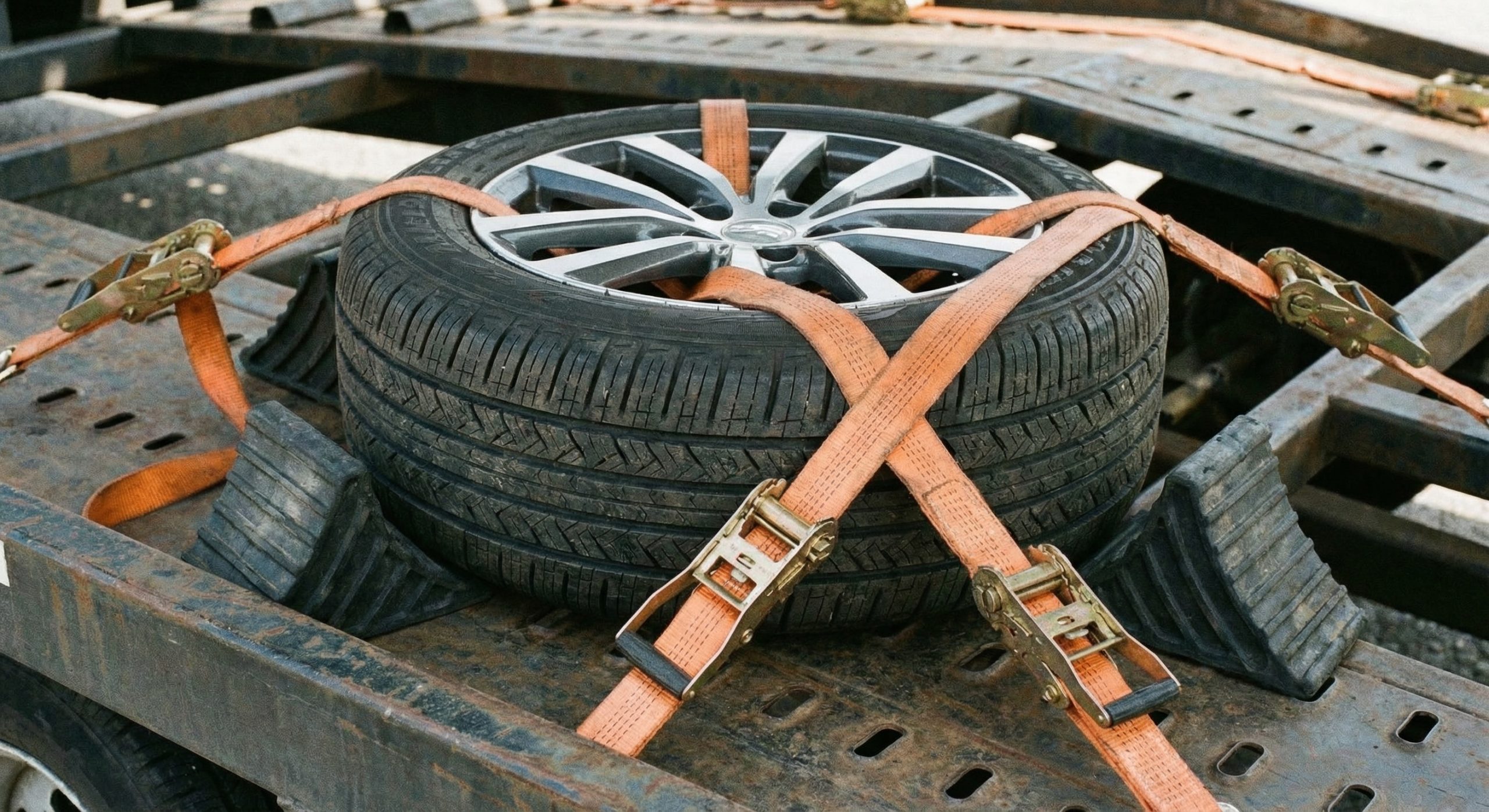
This depends on where you’re going. Domestic PCS moves (CONUS to CONUS) follow standard auto transport pricing:
CONUS to CONUS:
- Short moves (under 500 miles): $400 – $700
- Cross-country (1,500+ miles): $1,000 – $1,500
- Average military PCS domestic move: $800 – $1,200
OCONUS Moves (overseas territories):
- To/from Hawaii: $1,500 – $2,500
- To/from Alaska: $1,500 – $2,200
- To/from Guam: $2,000 – $3,000+
- Germany, Japan, Korea, Italy: Varies by route — contact us for a quote
OCONUS moves involve ocean freight, which means coordinating with shipping lines, booking vessel space, and sometimes dealing with customs. Our parent company TGAL handles the international leg — they’ve been doing international vehicle shipping since 1999.
Timeline: When to Start Planning
Start planning as soon as you get orders. Here’s a realistic timeline:
60+ days out:
- Get quotes for your extra vehicles
- Book your transport — peak season (May–August) fills up fast
- If shipping OCONUS, start even earlier (ocean freight needs more lead time)
30 days out:
- Confirm pickup dates with your transport company
- Start prepping your vehicle (see checklist below)
- Coordinate delivery timing with your travel dates
7-14 days out:
- Remove personal items from the vehicle
- Document existing damage with photos
- Make sure the vehicle is drivable (runs, steers, brakes)
- Top off fluids, check tire pressure, confirm battery charge
PCS day:
- Hand over keys to the carrier at pickup
- Keep your copies of the bill of lading and condition report
- Have your coordinator’s direct number saved
The PCS Season Crunch (May–August)
Fair warning: summer PCS season is intense. Every branch is moving people at once, and carrier capacity gets tight nationwide.
What this means for you:
- Prices go up 15-25% compared to winter
- Pickup windows may be wider (5-7 days instead of 3-5)
- Book as early as possible — waiting until the last minute limits options
- Flexibility on dates helps your broker find a carrier faster
We handle PCS moves year-round, but if you’re moving between May and August, the earlier you book, the smoother it goes.
Choosing a Transport Company for Your PCS Move
Not every auto transport broker understands military moves. Here’s what to look for:
Must-haves:
- Licensed and insured (check MC and DOT numbers on FMCSA.gov)
- Experience with military PCS moves specifically
- A real person you can talk to (not just a quote form and a callback from a random call center)
- Clear pricing with no hidden fees
- Willing to work around your PCS timeline (military dates aren’t flexible)
Red flags:
- Quote is way lower than everyone else’s (they’ll re-quote you later)
- Huge deposit required before a carrier is assigned
- No MC or DOT number listed on their website
- Can’t explain what happens if the carrier is late
- “We guarantee next-day pickup” (no one can guarantee this honestly)
What About Shipping to/from Overseas?
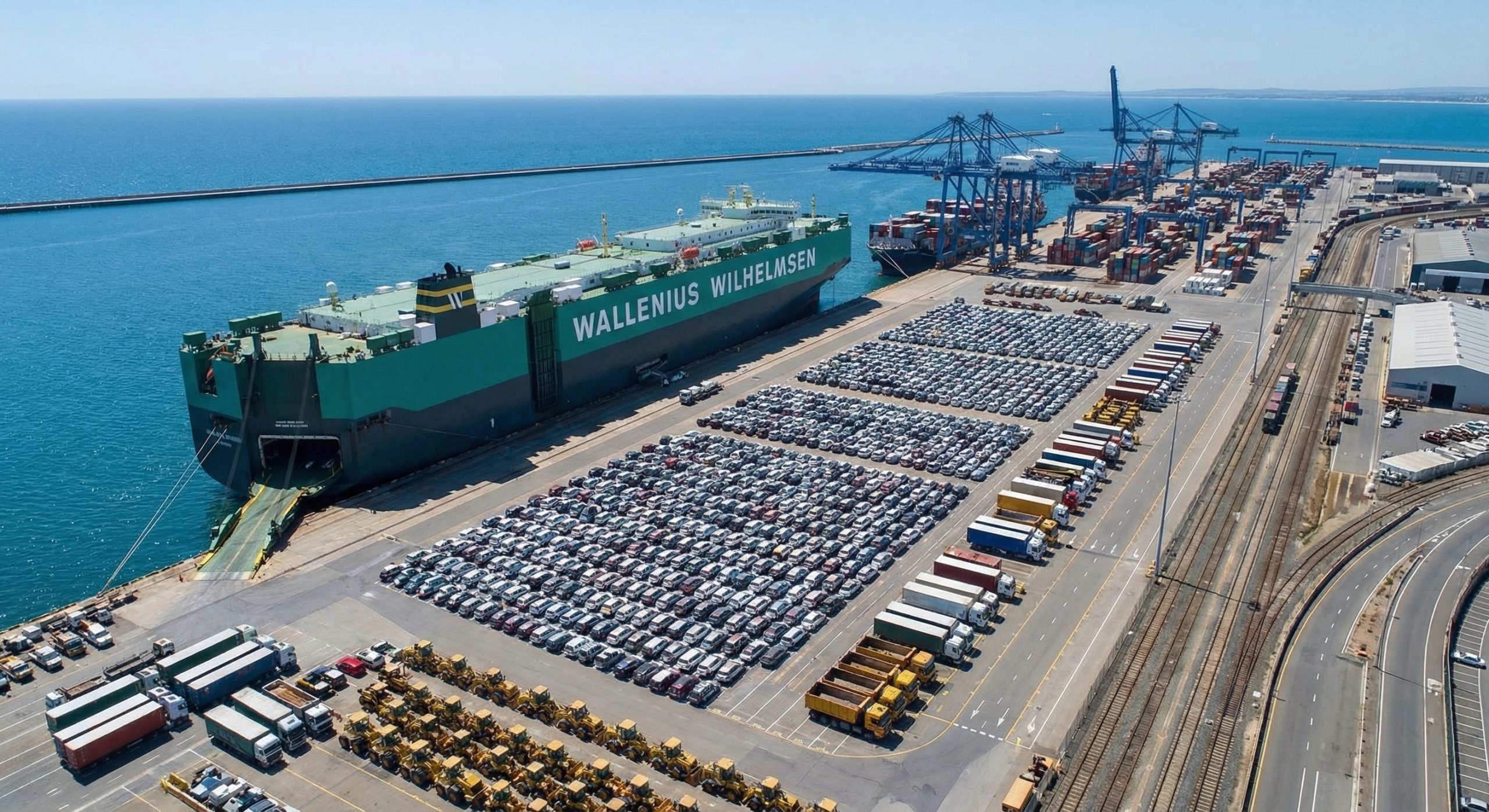
If you’re PCSing to or from Germany, Japan, Korea, Italy, or any overseas location, the vehicle shipping process is more complex:
For your covered POV: TMO handles this through the government contract. Go through your base transportation office.
For extra vehicles going overseas: You’ll need an NVOCC (Non-Vessel Operating Common Carrier) that handles international vehicle shipping. This involves booking ocean freight, export documentation, customs clearance, and coordinating with destination port agents.
Our parent company, Trans Global Auto Logistics (TGAL), is one of the largest NVOCCs specializing in vehicle shipping. They handle the ocean freight and international logistics. We handle the domestic ground transport to get your vehicle to the port.
Key overseas PCS details:
- Vehicles ship via RoRo (Roll-on/Roll-off) — your car drives onto the vessel
- Transit times vary: 2-4 weeks to Europe, 3-5 weeks to Pacific destinations
- Some destinations require the vehicle to meet specific emissions or safety standards
- Japan, Germany, and Korea have specific import requirements — confirm with your TMO
Vehicle Prep Checklist for PCS Shipping
Before your carrier arrives:
- Remove all personal items. Carrier insurance doesn’t cover personal belongings inside the vehicle. Take out everything — phone chargers, garage door openers, EZ-Pass, child car seats, everything.
- Document the condition. Walk around the car and photograph every angle: all four corners, roof, undercarriage if accessible, odometer reading. Note any existing damage — scratches, dents, chips. Email yourself the photos with a timestamp.
- Check fluids and tire pressure. The vehicle needs to be drivable for loading and unloading. Make sure it starts, the battery holds a charge, tires are properly inflated, and there are no active fluid leaks.
- Disable the alarm. If your car has an aftermarket alarm that goes off easily, disable it. A blaring alarm on a carrier truck at 3 AM doesn’t make the driver happy.
- Keep one key, give one key. The driver needs a key to load/unload. Keep a spare for yourself.
- Fuel level: 1/4 tank. Don’t fill it up — extra fuel = extra weight. A quarter tank is enough for loading/unloading at both ends.
- Note modifications. Lift kits, oversized tires, lowered suspension, aftermarket bumpers — anything that changes the vehicle’s dimensions from stock. Tell your broker upfront. This affects carrier selection and sometimes pricing.
What Happens If Something Goes Wrong
Carrier insurance covers damage during transport. Here’s how it works:
- At pickup: You and the driver inspect the vehicle together and document existing damage on the Bill of Lading (BOL). Both sign it.
- At delivery: Same inspection. Compare the BOL to the vehicle’s current condition.
- If new damage exists: Note it on the BOL immediately. Take photos. Contact your broker right away.
- Filing a claim: Your broker will help you file a claim against the carrier’s insurance. Standard carrier cargo insurance covers up to the vehicle’s value (typically up to $250K per load).
- Timeline: Most claims resolve within 30-90 days. Having photographic evidence from pickup vs. delivery makes the process much faster.
The damage rate on open carriers is under 1%. Most vehicles arrive without a scratch. But documentation at both ends protects you if something does happen.
Frequently Asked Questions
Can I ship items inside my vehicle?
Technically, most carriers allow up to 100 lbs in the trunk (not visible through windows). But carrier insurance doesn’t cover personal items, and overloading can cause issues at weigh stations. Our advice: ship items separately through your HHG (household goods) shipment.
What if my vehicle doesn’t run?
Non-running vehicles cost $100-$200 extra because the carrier needs a winch to load/unload. Let your broker know upfront — misrepresenting operability delays everything.
Can I track my vehicle during shipping?
Yes. We provide text and email updates. You’ll know when a carrier is assigned, when they pick up, and when they’re approaching delivery.
What if I need my car by a specific date?
We offer a 7-day pickup guarantee — we’ll have a carrier assigned within 7 days of your first available date. If you need delivery by a specific date, let us know and we’ll work the timeline backwards to make sure it works. For tight deadlines, book early.
How do I pay?
A deposit ($100-200) at booking, applied to your total. Remaining balance paid to the carrier driver at delivery (cash, cashier’s check, or money order — varies by carrier). No surprises.
Get Your PCS Quote
You’ve got enough on your plate with orders, housing, family logistics, and base check-in/check-out. Let us handle the vehicle.
→ Get a Free Quote — takes 30 seconds, no phone call required.
Or call Lori at (682) 252-4654. She’s shipped thousands of military vehicles and knows the drill.
A Trans Global Group Company

About The Author
Aldo Flores
Aldo Flores is the founder and CEO of Trans Global Auto Logistics (TGAL) and Transcar Auto Shippers. With over 25 years in international vehicle shipping and domestic auto transport, he oversees operations across five logistics companies based in Arlington, Texas.


October 15, 2026

October 8, 2026

October 8, 2026

August 13, 2026
