
Last updated on March 11, 2026
Shipping a car to or from Hawaii isn’t like booking a cross-country carrier. Your vehicle goes on a ship. The logistics are different, the timeline is different, and the pricing is different.
Whether you’re PCSing to Schofield Barracks, relocating for work, or just tired of renting a Wrangler every time you visit your condo in Kailua — here’s how it actually works.
How Car Shipping to Hawaii Works
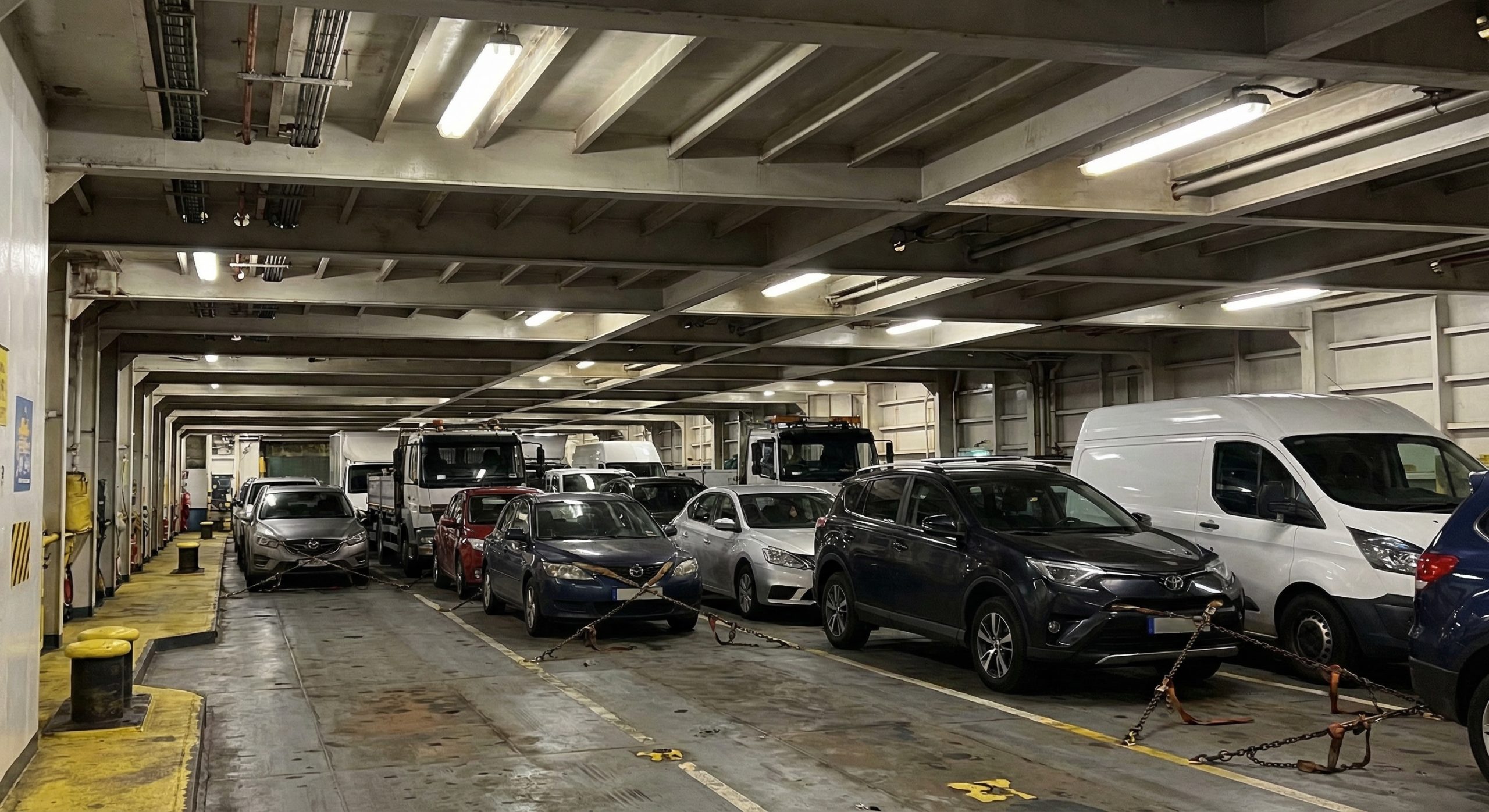
Your vehicle travels by ocean freight from a mainland port to Honolulu (or Maui, Big Island, Kauai — with an inter-island transfer). There’s no driving option. Every vehicle that gets to Hawaii gets there by ship.
The basic process:
- You get a quote and book your shipment
- You deliver (or we arrange pickup of) your vehicle to a mainland departure port
- The vehicle is loaded onto an ocean vessel
- Transit across the Pacific: 5-14 days depending on the port
- Vehicle arrives at Honolulu Harbor (most common) or a neighbor island
- You pick up your vehicle (or we arrange delivery to your door)
The two main ocean carriers for Hawaii auto shipping are Matson and Pasha. Both operate regular sailings from the West Coast.
What It Costs
Mainland to Hawaii (one vehicle, standard sedan):
| Origin | Estimated Cost | Transit Time |
|---|---|---|
| Los Angeles / Long Beach | $1,100 – $1,500 | 5-7 days |
| San Francisco / Oakland | $1,100 – $1,500 | 7-9 days |
| Seattle / Tacoma | $1,200 – $1,600 | 9-12 days |
| East Coast (includes ground to West Coast port) | $1,800 – $2,500 | 10-14 days total |
Hawaii to Mainland:
Roughly the same pricing. Return trips are actually slightly cheaper in some months because more vehicles ship TO Hawaii than FROM it.
What affects the price:
- Vehicle size (SUV/truck = higher than sedan)
- Origin location (closer to a West Coast port = cheaper)
- Time of year (summer PCS season = highest demand)
- Port of entry (Honolulu is cheapest; neighbor islands add an inter-island barge fee)
Departure Ports
If you’re on the West Coast, you’ll use one of these ports:
- Long Beach, CA — Most common. Highest volume, most frequent sailings.
- Oakland, CA — Good option for Northern California.
- Tacoma, WA — Best for Pacific Northwest.
If you’re on the East Coast or in the middle of the country, we’ll arrange ground transport to the nearest West Coast port first, then ocean freight to Hawaii. The total cost includes both legs.
What You Need to Do Before Shipping
Vehicle Prep
- Remove all personal items (ocean carriers have strict rules — no loose items in the vehicle)
- Fuel level: 1/4 tank maximum (carrier requirement)
- No propane tanks, hazardous materials, or perishables
- Battery must hold a charge; vehicle must be operable
- Note any existing damage with dated photos
- Disable aftermarket alarms
Documents You’ll Need
- Vehicle registration (current)
- Photo ID
- If not the registered owner: notarized authorization letter
- Military: PCS orders (for your covered POV — handled by TMO; for extra vehicles, we handle the booking)
Important: Hawaii Vehicle Inspection
Hawaii requires a state safety inspection within 30 days of registration. This happens AFTER your vehicle arrives — you don’t need to do it before shipping. But be aware: some modifications that are legal on the mainland (excessive window tint, certain exhaust modifications) may not pass Hawaii inspection.
Military PCS to Hawaii
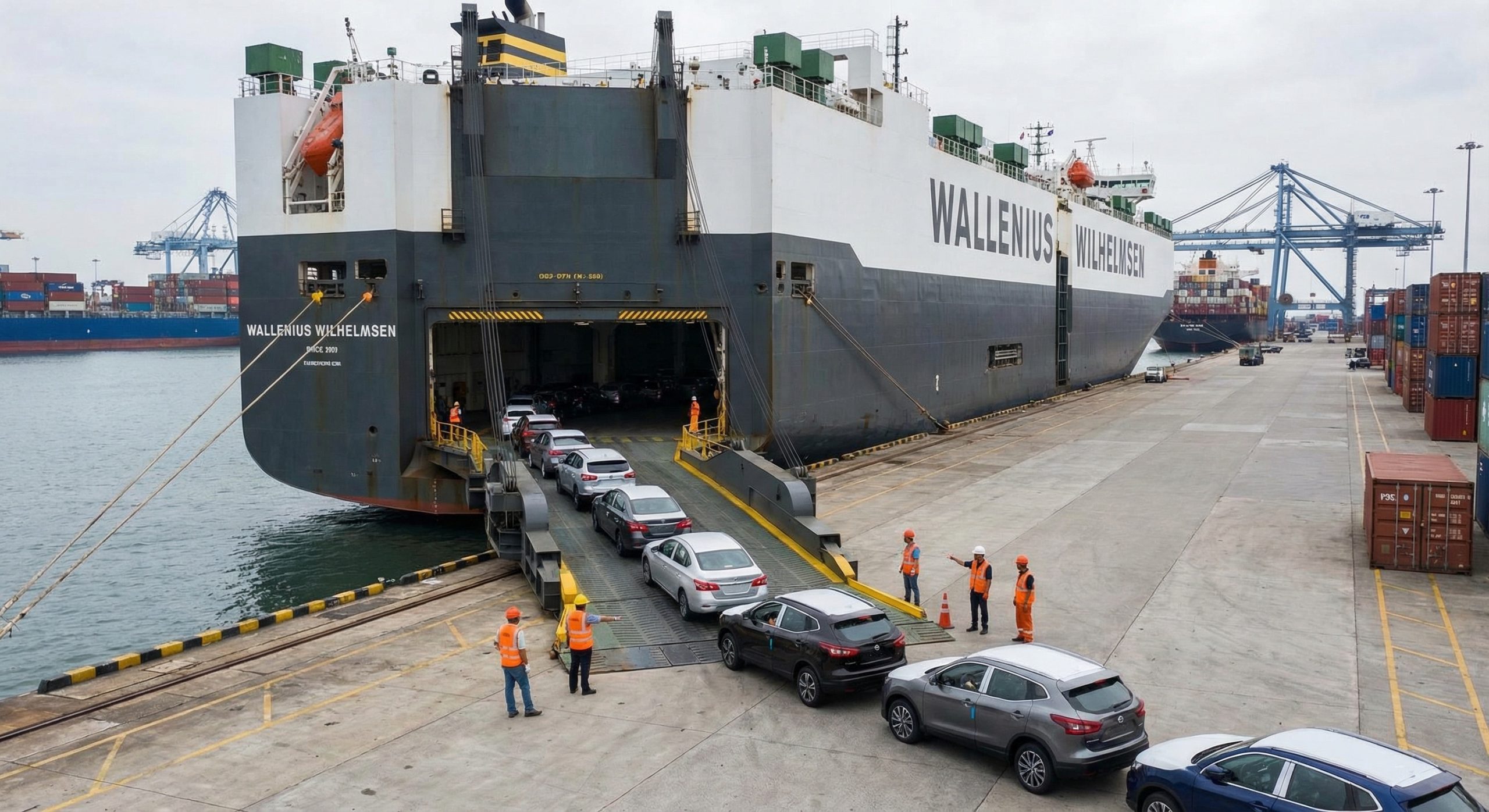
If you’re PCSing to Hawaii:
Your first POV: Covered under government contract. Go through your TMO/transportation office. They handle the booking and ocean freight.
Your second or third vehicle: That’s where we come in. Same process as above, but you’re paying out of pocket. The government covers one — the rest are private shipments.
Common Hawaii military installations:
- Schofield Barracks (Army)
- Joint Base Pearl Harbor-Hickam (Navy/Air Force)
- Marine Corps Base Hawaii (Kaneohe Bay)
- Fort Shafter
- Tripler Army Medical Center
Most military families PCSing to Hawaii have at least two vehicles. The covered POV goes through TMO. The second vehicle goes through us. We coordinate timing so both vehicles arrive around the same time.
Pro tip: Start your second vehicle shipment early. Ocean freight to Hawaii has limited sailing schedules — if you wait until the last minute during PCS season, you might wait 2-3 weeks for the next available sailing.
Shipping FROM Hawaii Back to the Mainland
Leaving Hawaii? The process reverses:
- Drop your vehicle at Honolulu Harbor (or a neighbor island terminal)
- Ocean transit back to a mainland port (usually Long Beach or Oakland)
- We arrange ground transport from the port to your final destination
Timeline: Plan for 2-3 weeks total (ocean + ground transport to your new location).
Important for military: If you’re PCSing out of Hawaii, your covered POV goes through TMO again. Extra vehicles need private booking — same as when you arrived.
Neighbor Islands
If you need your vehicle on Maui, Big Island (Kona/Hilo), or Kauai:
Most ocean carriers deliver to Honolulu first. From there, your vehicle transfers to an inter-island barge (Young Brothers operates inter-island vehicle shipping). This adds:
- $300 – $500 to the cost
- 2-5 additional days to the timeline
If you can pick up in Honolulu and drive/ferry to your island, you’ll save the inter-island fee. But for most people, the convenience of door-to-door is worth it.
Common Mistakes
- Waiting too long to book. Ocean sailings fill up, especially May through August. Book 3-4 weeks before your desired ship date.
- Leaving stuff in the car. Ocean carriers will reject vehicles with personal items visible inside. Everything has to come out. No exceptions.
- Not checking tide schedules. (Just kidding. But do check sailing schedules — they’re not daily.)
- Assuming any auto transport company can do Hawaii. Domestic-only brokers can’t book ocean freight. Make sure your company actually handles Hawaii shipments and has carrier relationships with Matson/Pasha.
- Forgetting the ground transport leg. If you’re not near a West Coast port, you need ground transport to get the car there first. Get a quote that covers both legs — not just the ocean portion.
Tracking Your Shipment
Once your vehicle is booked on a vessel:
- You’ll get the vessel name, sailing date, and estimated arrival date
- We provide updates when the vehicle is loaded and when it arrives
- Matson and Pasha both offer vessel tracking on their websites
- After arrival, you’ll get notification to pick up or arrange delivery
FAQ
How long does it take to ship a car to Hawaii?
5-14 days for the ocean transit, depending on your departure port. Add 3-7 days for ground transport if you’re not near a West Coast port. Total: 1-3 weeks from pickup to delivery.
Can I ship a truck or SUV to Hawaii?
Yes. Trucks, SUVs, vans, motorcycles, boats — anything that rolls. Larger vehicles cost more due to the space they occupy on the vessel.
Is my car insured during ocean transit?
Yes. Marine cargo insurance covers your vehicle during ocean transit. We recommend documenting vehicle condition with photos before shipping. If something happens (rare on vehicle carriers), you have clear evidence for a claim.
Can I pack things inside my car for the ocean shipment?
No. Ocean carriers are strict about this — no personal items inside the vehicle. Unlike domestic ground carriers that may allow trunk items, ocean carriers will reject your vehicle at the port if items are visible inside.
What about shipping a motorcycle to Hawaii?
Same process but lower cost ($600 – $1,000 depending on the route). Motorcycles ship via crate or pallet on the ocean vessel.
Ready to Ship?
→ Get a Hawaii Shipping Quote — instant pricing, no callbacks.
Questions? Call (682) 252-4654 — we ship to Hawaii every week and know the process inside out.
A Trans Global Group Company

About The Author
Aldo Flores
Aldo Flores is the founder and CEO of Trans Global Auto Logistics (TGAL) and Transcar Auto Shippers. With over 25 years in international vehicle shipping and domestic auto transport, he oversees operations across five logistics companies based in Arlington, Texas.


October 22, 2026

October 15, 2026

October 8, 2026

October 8, 2026

August 13, 2026